-
How to Choose the Right Probiotic | What to Look for & What to Avoid
Walking down the supplement aisle can feel so overwhelming. Shelves packed with probiotic bottles all promising better digestion, glowing skin, more energy, and less bloating – it’s a lot. The truth is, no two probiotics (or guts!) are the same. What works for one person might do absolutely nothing for another. Finding the right probiotic…
-
Skin & Gut Healing Gelatin Gummies
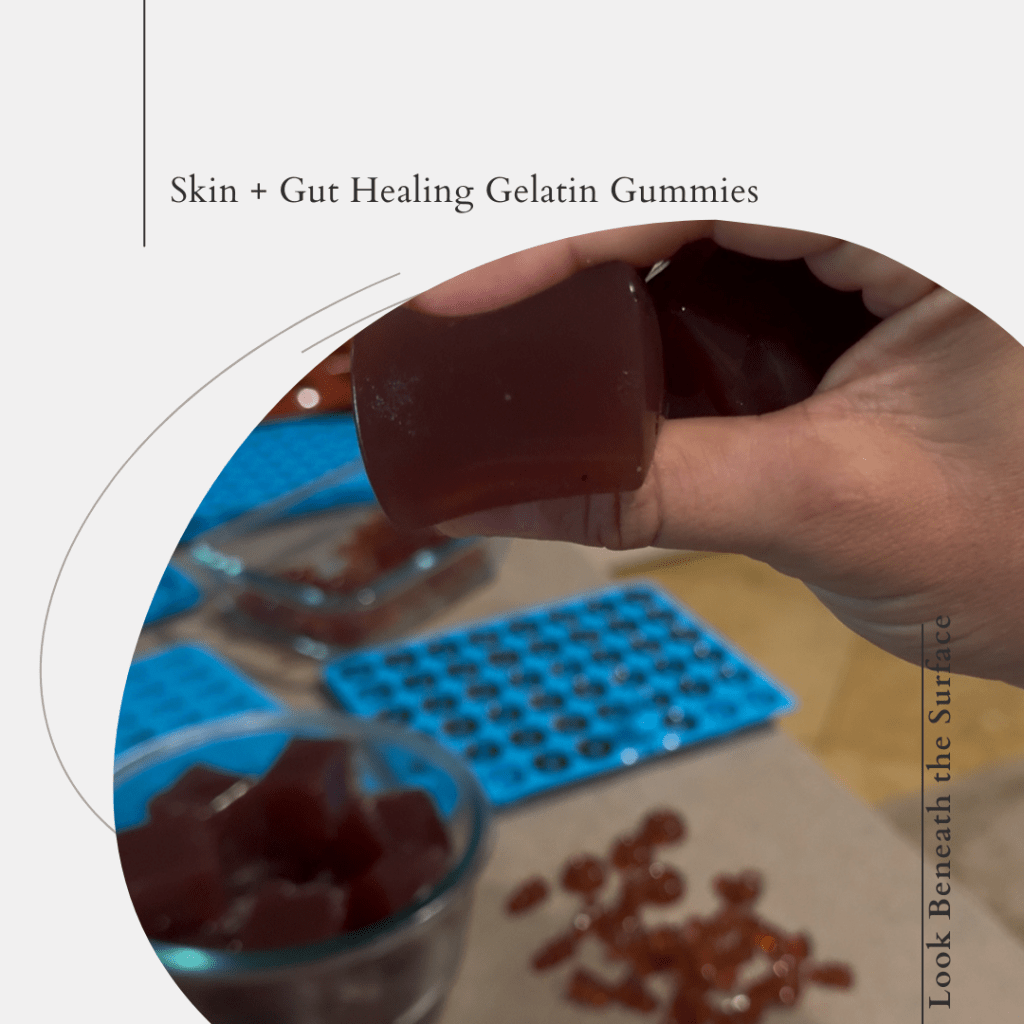
If you’ve been looking for an easy way to add a boost of nutrition while supporting your gut, these healing gummies have quickly become one of my favorites. They take just a few minutes to make, taste amazing, and are packed with benefits for your skin, hair, nails, joints, and digestion. I love recipes like…
-
What’s REALLY Behind Bloating & Fatigue
Ever feel tired, foggy, or bloated even when you’re trying to take care of yourself?Maybe you’ve been eating better, moving more, doing most of the “right” things… and yet something still feels off. If that’s you, you’re not crazy. And you’re definitely not alone. Here’s something a lot of wellness-minded women don’t realize:👉 Your gut…
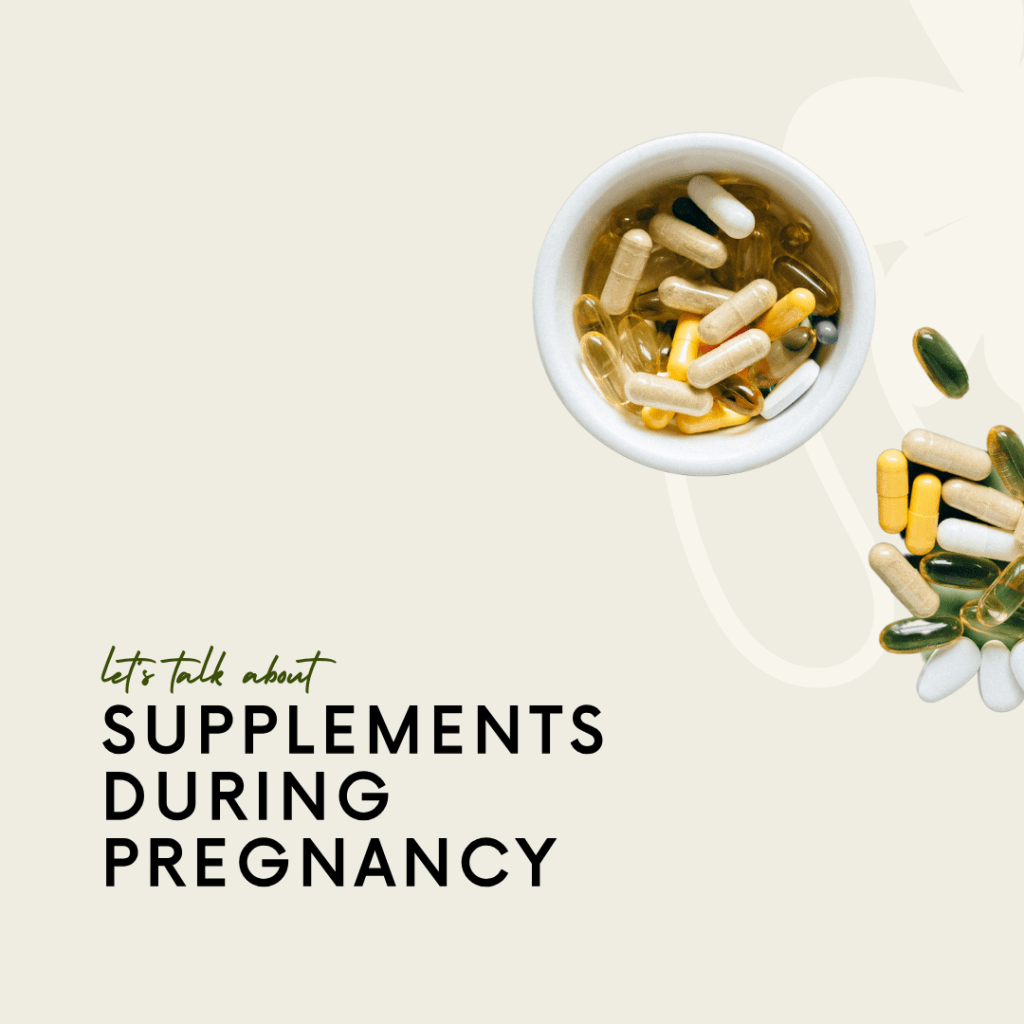
One of the most common questions I get right now is what supplements I take during this pregnancy and why. So, I wanted to take the time to share the specific supplements that have been part of my routine and explain why I use them. I know navigating the world of supplements can feel overwhelming, especially because the supplement industry has little regulation and quality is so important—especially during pregnancy.
Before we continue…
Reminder #1: Nutrition First, Supplements Second
Before we dive deeper into supplements, it’s important to remember that your nutrition is WAY more important than the supplements you take. No pill or powder can replace the power of a well-balanced, nutrient-dense diet. The food you eat is what truly fuels both your body and your baby, providing the foundation for a healthy pregnancy.
In my 1-on-1 coaching program, we’ve worked with many women who are either trying to conceive or are already pregnant—and I’m proud to say that many have successfully gotten pregnant while working with us. We guide you on how to fuel your body properly to not only support a healthy pregnancy but also improve your overall health during this crucial time.
I hear so many women say, “I can’t focus on my health goals because I’m pregnant” or “I’ll wait until after the baby to get healthy.” This mindset blows my mind! There is no better time to focus on your health than during pregnancy, or even while trying to conceive. Whether you’re preparing your body for pregnancy, growing a little human, or navigating the postpartum journey, nutrition is your foundation. A nutrient-dense diet can help you manage morning sickness, reduce the risk of gestational diabetes, maintain a healthy weight, and even support breastfeeding after birth. Beyond that, it can help balance your hormones and reduce the risk of postpartum depression, setting you up for smoother recovery and a healthier postpartum experience. But it’s not just about you—the choices you make now have a lasting effect on your baby’s future health too. Proper nutrition provides the essential vitamins, minerals, and macronutrients needed for your baby’s brain, bone, and organ development. It also plays a critical role in shaping your baby’s gut health and microbiome, starting in the womb, which can impact their immune system, digestion, and overall long-term health.
If you’re curious about what my 1-1 coaching looks like and how it can support your health journey, you can sign up for a free quick call with me here to learn more! 🙂
Reminder #2: Supplements Are Individualized
While I’m sharing the supplements I take and why, remember that what works for me may not work for you. Your supplement routine should be personalized based on your unique nutritional needs, genetics, and diet. Always consult with your healthcare provider to create a plan that’s right for you and your baby. Supplements can be a great support, but they’re not one-size-fits-all, so make sure you’re choosing the right ones for your specific journey.
That said, here’s a breakdown of the supplements I take and the reasons behind each one.
- Prenatal Vitamin. I also love this one
Even with a nutrient-rich diet, it can be hard to meet all the increased demands during pregnancy. That’s where a high-quality prenatal vitamin comes in—it fills in the nutritional gaps. Prenatal vitamins provide essential nutrients like folate and choline, which are critical for supporting fetal brain development, preventing neural tube defects, and reducing the risk of deficiencies. They also help maintain my energy levels, support immune function, and promote bone health, which is important both during pregnancy and postpartum recovery.
I’m super picky about my prenatal because, again, the supplement industry lacks regulation, meaning companies can pretty much create their products however they want and sell it to you. The best prenatal vitamins, in my opinion, are those that provide nutrients in their bioavailable forms (so your body can easily absorb them), contain sufficient dosages, and are third-party tested for purity and label accuracy. I have a few different brands I like, but I always stick to these criteria to make sure I’m getting the best quality possible.
Vitamin D3 is an absolute must for me, especially knowing that so many women are deficient in this vitamin. It’s essential for calcium absorption, which helps the baby develop strong bones and teeth. But it also does so much more—it boosts the immune system, reduces the risk of infections, and lowers the chances of pregnancy complications like gestational diabetes, preeclampsia, and preterm birth. Maintaining adequate D3 levels has been shown to help with maternal mental health too, supporting mood and helping to prevent prenatal and postpartum depression.
Since vitamin D is fat-soluble, it’s important to take it with healthy fats like avocados, nuts, or full-fat dairy to enhance absorption. It’s a simple tweak that can make a big difference in how your body utilizes this essential nutrient.
Magnesium glycinate is probably one of the most beneficial supplements in my routine for pregnancy-related issues. But I say that with every supplement I take 😂Magnesium is known to help with sleep, reduce muscle cramps, ease constipation, and support balanced blood pressure and blood sugar—all super important during pregnancy. This form of magnesium is highly absorbable and gentle on the digestive system, which is crucial since some forms can cause stomach upset.
It also helps with muscle relaxation, which is great for preventing early contractions and reducing stress during pregnancy. If you’re dealing with restless legs, leg cramps, or trouble sleeping, magnesium glycinate can make a big difference.
Cod liver oil is my go-to for omega-3 fatty acids like DHA and EPA, which are vital for the baby’s brain, eye, and nervous system development. Omega-3s also help reduce inflammation, support hormonal balance, boost the immune system, and promote healthy blood pressure. When it comes to fish oil supplements, it’s important to choose a high-quality, contaminant-free cod liver oil from natural sources without added synthetic vitamins. This ensures you’re getting the purest form of these essential nutrients.
LMNT has been a game-changer for me, especially during pregnancy. It’s helped with so many things, from nausea and swelling to digestion and balancing stomach acid. Whenever I feel “off” — that unexplainable feeling of being low on energy and depleted — I reach for LMNT. Within minutes, I feel more energized and balanced!
It’s rich in essential minerals like magnesium and potassium, which support hydration, electrolyte balance, and healthy blood pressure. These minerals also help regulate fluid retention and reduce swelling. Contrary to popular belief, high-quality salt doesn’t cause more swelling — it actually helps your body balance fluids properly. Swelling (edema) is common during pregnancy, and sodium plays a key role in managing the increased blood volume, promoting proper circulation and hydration.
I add trace mineral drops to my water to enhance nutrient absorption. They work as a catalyst to help vitamins and minerals enter cells more effectively, which helps balance my body’s pH and supports normal digestion, sleep, and mood. Trace minerals also improve iron absorption, helping the iron move from the blood into cells more efficiently, which is crucial for preventing anemia during pregnancy.
Organ meats are some of the most nutrient-dense foods on the planet, which is why I take an organ blend supplement. Organ meats, especially liver, are packed with bioavailable nutrients like vitamin A, B12, iron, choline, zinc, and copper. These nutrients are essential for babies development, preventing anemia, and promoting overall health. Organ blends also help with hormonal balance, providing essential fats and collagen for skin elasticity and joint health—both key as the body changes during pregnancy.
Two staples in my routine are bone broth protein and gelatin. While they both come from the same source—animal bones and connective tissue—and provide similar benefits such as joint support, skin elasticity, and gut health, each one offers unique advantages that make them worth including together in my weekly regimen.
Bone broth protein is a true nutrient powerhouse. I use the grass-fed chocolate bone broth linked above for hot chocolate which is SO yummy! Not only does it provide collagen, but it’s also rich in essential minerals like calcium, magnesium, phosphorus, and potassium, which are critical for maintaining hydration, electrolyte balance, and supporting fetal bone and teeth development. The amino acids in bone broth collagen, particularly glycine, help support healthy sleep patterns and promote relaxation—two things that can be tricky to manage during pregnancy. Additionally, these amino acids support healthy muscle function, which is especially important as your body adjusts to the extra weight. It’s easily absorbed by the body, and I love adding it to smoothies or making it into hot chocolate. It support my skin’s elasticity as it stretches, maintain joint strength, and keep digestion on track.
On the other hand, gelatin provides a different kind of support with its unique ability to form a gel-like substance when mixed with warm liquids. This makes it incredibly soothing for the digestive system, which has been a game-changer during pregnancy when heartburn, bloating, and indigestion flare up. Gelatin helps restore and strengthen the gut lining, promoting better nutrient absorption, which is crucial for both me and my baby. It also supports joint health and can be helpful in maintaining flexibility in the connective tissues, which are under strain during pregnancy. Additionally, gelatin supports healthy hair and nails, which can sometimes take a hit with hormonal changes.
Probiotics are a non-negotiable part of my pregnancy routine. Make sure to get a high-quality probiotic with over 25 billion CFU and at least 6 bacterial strains. This will help maintain a healthy gut microbiome, reduces the risk of Group Beta Strep, and supports both the mother’s and baby’s gut health. Probiotics also help with common pregnancy issues like bloating, constipation, and yeast infections, while boosting the immune system to lower the risk of infections.
Probiotics may also reduce the likelihood of pregnancy complications like preeclampsia and gestational diabetes. Having a healthy microbiome during pregnancy will have a significant impact on your baby’s developing microbiome, reducing their risk of allergies, eczema, and asthma later on. Plus, probiotics support vaginal health, preventing infections that are more common during pregnancy.
Look for probiotics with strains like Lactobacillus and Bifidobacterium, which are particularly helpful. Some key strains to look for include Lactobacillus rhamnosus, which supports gut health and reduces the risk of eczema and allergies in babies, and Lactobacillus reuteri, which promotes vaginal health and helps reduce infections. Strains like Bifidobacterium longum and Bifidobacterium bifidum aid indigestion and support immune function.
During pregnancy, self-care becomes even more important, and one of my favorite ways to relax and support my body is through a nice warm ba
What makes magnesium bath flakes different from Epsom salts is the form of magnesium they contain. Epsom salts are made of magnesium sulfate, while magnesium bath flakes are composed of magnesium chloride. While both forms provide benefits, magnesium chloride is known for being more bioavailable, meaning it is more easily and efficiently absorbed through the skin. This means that when I soak in a magnesium chloride bath, my body is better able to replenish its magnesium levels, which can sometimes become depleted during pregnancy.
Another reason I prefer magnesium bath flakes is their gentler on the skin. I’ve found them to be less drying compared to Epsom salts, especially since pregnancy can make your skin more sensitive.
Ultimately, the right supplements for you depend on your individual needs, but I hope this gives you a solid starting point for understanding what I personally use and trust. Always consult with your healthcare provider to make sure your supplement routine is aligned with your health needs!



 Look Beneath the surface
Leave a comment