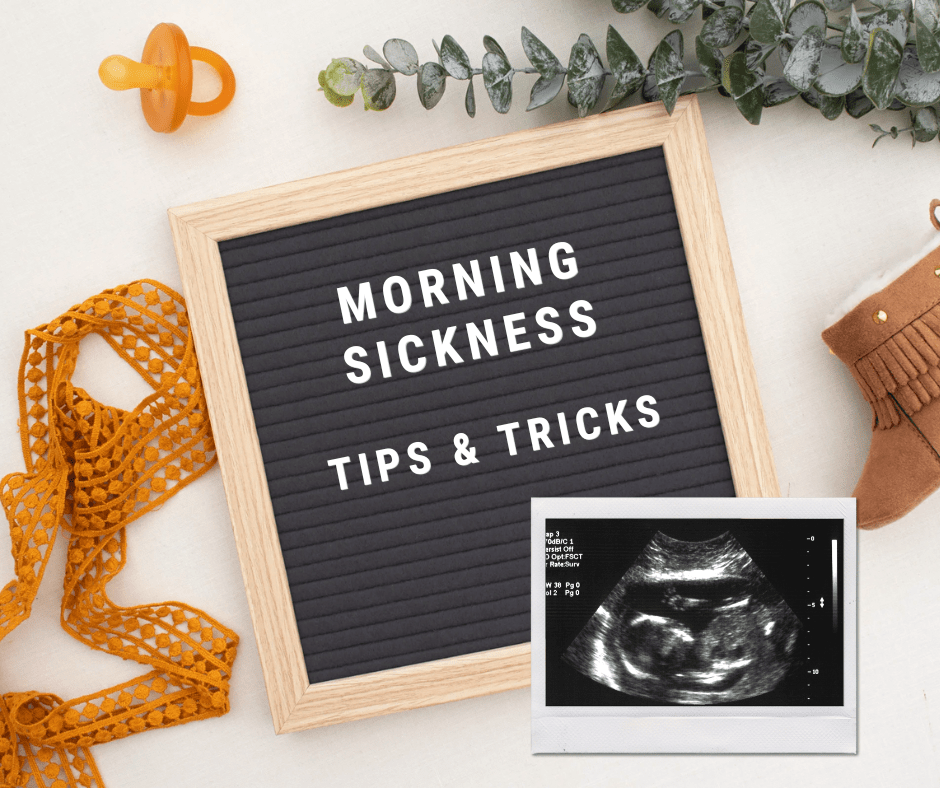

Pregnancy is an incredible journey, but it can also come with its challenges, particularly in the first trimester when morning sickness is most common. I’ve had countless conversations with moms who were surprised to learn that nutritional strategies can significantly alleviate morning sickness and help them feel better.
1. The Importance of Protein
Protein is essential for stabilizing blood sugar levels, which can help reduce nausea. A study published in the Journal of Obstetrics and Gynaecology found that high-protein snacks are more effective at reducing nausea than high-carbohydrate snacks. Protein also supports the growth of the baby and placenta, as well as maternal tissues, blood volume, and breast tissue.
Incorporate protein-rich foods:
- Lean meats
- Dairy products
- Eggs
- Legumes
- Nuts
2. Preparing Before Getting Pregnant
Preparation is key to a healthy pregnancy. Studies show that women with adequate nutrient stores before pregnancy experience fewer complications and less severe morning sickness. Personally, I made sure to eat to calorie maintenance, get adequate nutrients, and start taking prenatal vitamins, cod liver oil, probiotics, and magnesium a year before trying to conceive. This preparation made a significant difference for me.
Consider working with a nutritionist to:
- Ensure optimal nutrient levels
- Develop a balanced diet plan
3. Magnesium: The Mighty Mineral
Many Americans, pregnant or not, are deficient in magnesium. Supplementation can reduce the severity of nausea and vomiting during pregnancy. Magnesium is essential for over 300 biochemical reactions in the body, including muscle and nerve function, blood glucose control, and bone health.
Include magnesium-rich foods:
- Leafy greens
- Nuts
- Seeds
- Whole grains
4. Blood Sugar Stability
Maintaining stable blood sugar levels is crucial for reducing nausea. A study in the American Journal of Clinical Nutrition found that eating small, frequent meals helps maintain blood sugar levels and reduces nausea. Avoid sugary foods and opt for complex carbohydrates, protein, and nourishing fats to keep blood sugar stable.
Snack ideas:
- Greek yogurt with fruit
- A handful of nuts
5. The Power of Vitamin B6
Research strongly supports the effectiveness of Vitamin B6 in reducing nausea in pregnant women. It has been shown to significantly alleviate morning sickness symptoms.
Foods rich in Vitamin B6:
- Poultry
- Fish
- Potatoes
- Chickpeas
- Bananas
- Fortified cereals
6. Sunshine and Fresh Air
Exposure to sunlight increases vitamin D levels, which can improve mood and reduce nausea. Spending time outdoors each day can make a big difference in how you feel.
Aim for:
- At least 15-20 minutes of sunlight daily, preferably in the morning
7. The Benefits of Acupressure
Acupressure has been shown to reduce nausea and vomiting during pregnancy. Wearing acupressure wristbands or using acupressure techniques can provide relief from nausea. Sea Bands are similar to those used for motion sickness.
8. Prioritize Sleep
Adequate sleep is crucial for reducing fatigue and nausea. Poor sleep quality is associated with increased nausea and vomiting during pregnancy.
Tips for better sleep:
- Aim for 7-9 hours of sleep per night
- Create a relaxing bedtime routine
- Use a pregnancy pillow for support
9. Hydration with Electrolytes
Staying hydrated is essential, and electrolytes help maintain fluid balance. Sometimes plain water can be hard to drink, so adding electrolytes can make it easier to stay hydrated and reduce nausea.
Try:
- Coconut water
- Electrolyte tablets
- Adding a pinch of salt and a squeeze of lemon to your water
10. Gentle Exercise: Walking
Gentle exercise like walking can improve circulation and reduce nausea. Plus, it’s a great way to get some fresh air and sunshine.
Aim for:
- 30 minutes of moderate exercise most days of the week
- Listening to your body and resting when needed
Additional Tips and Insights
Aside from the primary strategies mentioned, here are a few additional tips that can further ease morning sickness and contribute to overall well-being during the first trimester:
Ginger: A Natural Remedy
Ginger is well-known for its anti-nausea properties.
Incorporate ginger:
- Ginger tea
- Ginger ale (preferably natural and low in sugar)
- Fresh ginger in meals
Avoiding Triggers
Identify and avoid foods or smells that trigger nausea. Common triggers include strong odors, spicy foods, and greasy or fried foods.
Keeping a food diary can help you:
- Pinpoint specific triggers
- Avoid them
Relaxation Techniques
Stress can worsen nausea, so incorporating relaxation techniques such as deep breathing, meditation, or prenatal yoga can be beneficial. These practices help reduce stress and promote a sense of calm, which can alleviate nausea.
Stay Positive and Seek Support
Morning sickness can be challenging, but it’s important to stay positive and seek support.
If you’re struggling with nausea, consider giving these tips a try and see how they work for you. Remember, every pregnancy is unique, so it’s important to find what works best for you



 Look Beneath the surface
Leave a comment